Level 2 Chimney Inspection
The inspection the standard calls for when a home changes hands — full camera documentation of the flue, in a report you can hand to a buyer.
 Texan Flue Chimney
A Level 2 is not an upgrade. It is the standard.
NFPA 211 defines three levels of chimney inspection, and it is specific about when each applies. A Level 1 covers a chimney under continued service with no changes. A Level 2 is called for whenever a property changes hands — and also after a chimney fire, an earthquake, a significant weather event, or any change to the system such as a new appliance, a fuel conversion or a relined flue.
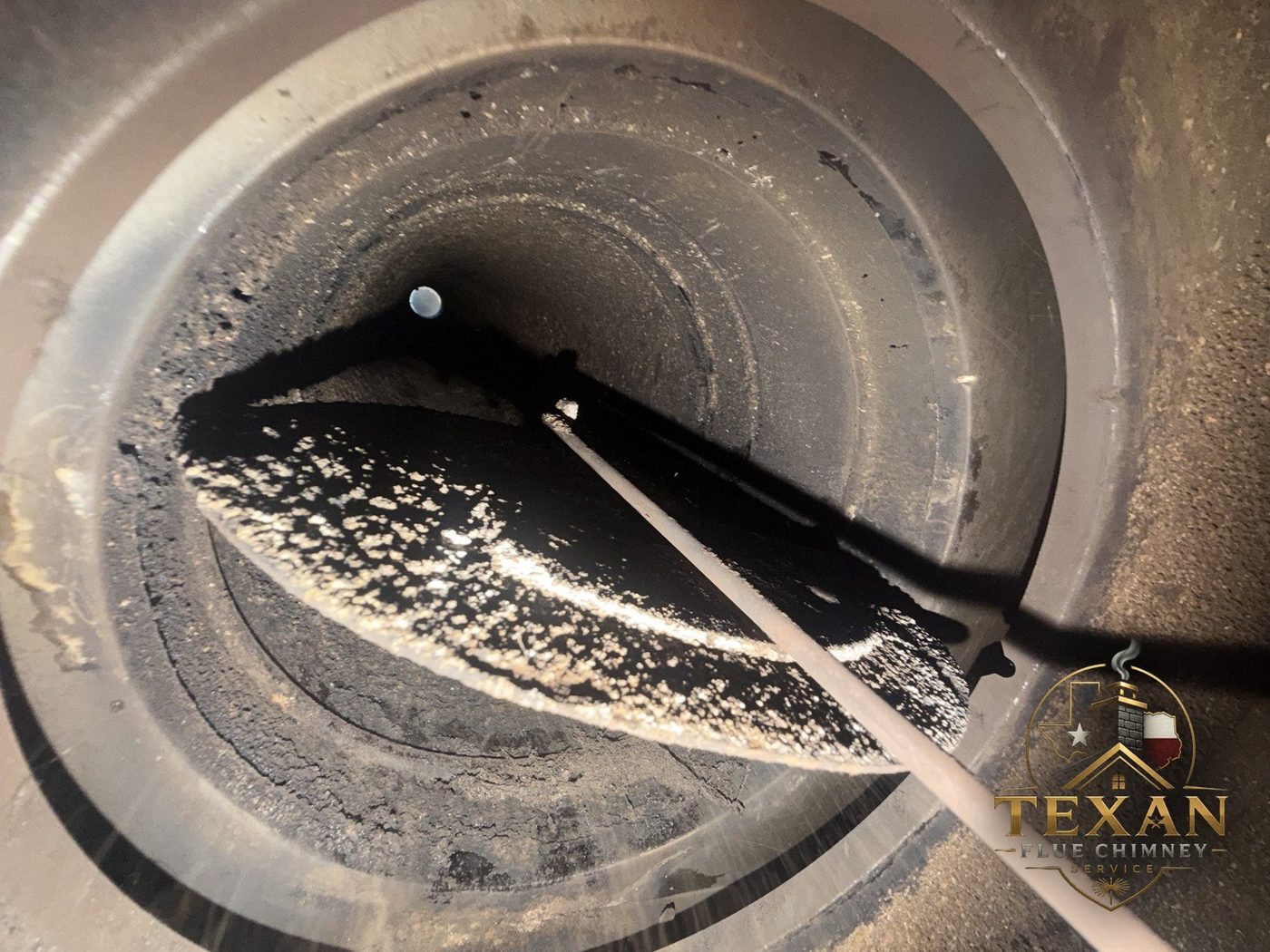
The practical difference is the camera. A Level 1 is a visual check of readily accessible areas. A Level 2 adds a full internal video scan of the flue along its entire length, plus inspection of accessible attic, crawlspace and basement areas where the chimney passes through. Nothing is dismantled, but nothing is assumed either.
Why buyers and agents ask for it
A general home inspector will note that a fireplace exists and that it appears operable. That is the limit of a general inspection, and it is not a chimney inspection. Cracked flue tiles, a deteriorated liner, a missing smoke chamber parge coat and heat damage from a previous chimney fire are all invisible without a camera — and all of them are safety defects that become the new owner problem the first cold night.
For sellers, the argument runs the other way. A documented Level 2 report removes the chimney from the negotiation. Instead of a buyer requesting an open-ended credit against an unknown, both sides look at photographs of the actual flue interior.
After a chimney fire — non-negotiable
Many chimney fires burn out on their own and go entirely unnoticed by the household. They still damage the flue. Heat cracks tiles, opens joints and creates paths for combustion gases to reach framing, and a chimney that has burned once and been used again is a genuinely dangerous object. A Level 2 inspection is the only way to know what a fire left behind, and it is why insurers ask for one.
Whatever the trigger, you receive the same thing: video of your flue, still photographs of anything that matters, and a written report that a buyer, an agent or an adjuster can read. See our full inspection levels page if you are not sure which one applies to your situation.
 Texan Flue Chimney
When a Level 2 is the right call.
You are buying or selling
Property transfer is the textbook trigger in NFPA 211. Agents across DFW increasingly ask for it by name.
There has been a chimney fire
Even a small one damages the flue. Reusing the chimney without an inspection is the real risk.
Hail or a major storm
North Texas storm cycles crack crowns, dent chase covers and shift flashing in a single afternoon.
You changed the appliance
A new insert, stove, or a switch between wood and gas changes the flue requirements entirely.
The chimney was relined
Any change to the flue itself calls for a Level 2 to verify the work and the clearances.
Nobody knows its history
A house with no service records and a decades-old chimney needs a camera, not an assumption.
What the inspection covers.
Exterior & Roof
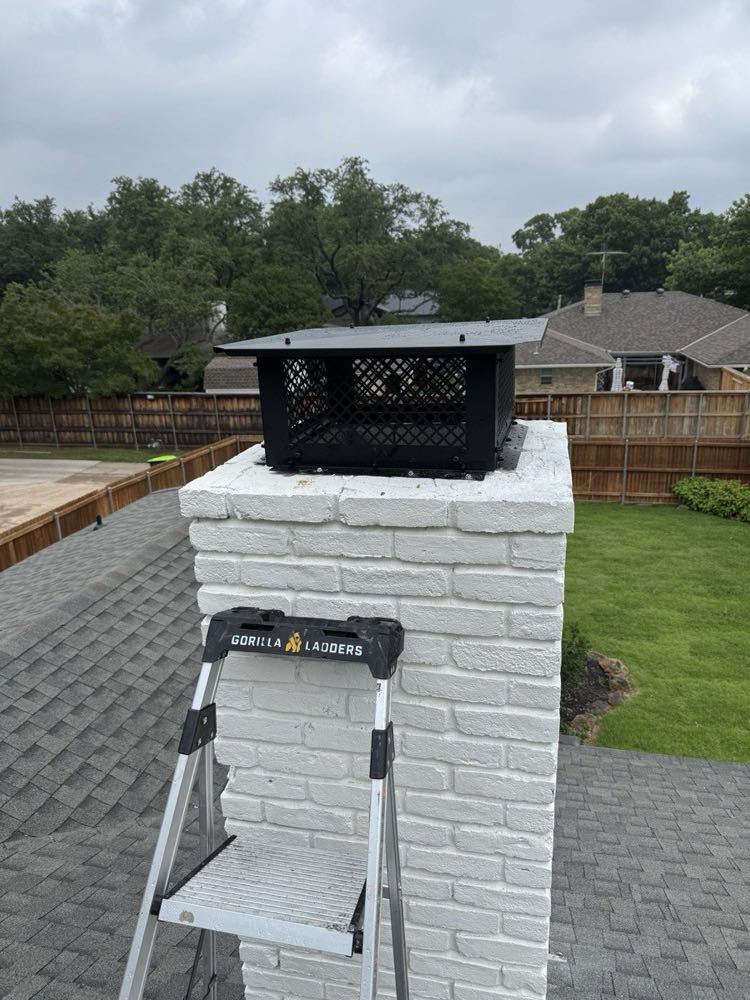
Crown, cap, chase cover, flashing and masonry photographed from roof level, along with clearances to combustibles.
Full Flue Camera Scan
A high-definition camera travels the entire flue, recording tile condition, joints, liner integrity and any heat damage.
Accessible Areas
Attic, crawlspace and basement pass-throughs are checked wherever the chimney travels through the structure.
Written Report
You receive stills, video and a plain-language written report suitable for a buyer, an agent or an insurer.
Level 2 inspections, answered.
How much does a Level 2 inspection cost in DFW?
Scope depends on the chimney configuration, flue count and access. We give you the exact figure in a free written estimate before scheduling, with nothing owed for the conversation.
Is a Level 2 inspection required by law in Texas?
It is not a state law. It is the standard of care set out in NFPA 211, which is what the industry, most insurers and a growing number of real estate contracts reference. In practice, buyers and agents in DFW ask for it by name.
How long does it take?
Typically between one and two hours for a single-flue residential chimney, depending on access and how much is found. Multi-flue systems take longer because each flue is scanned separately.
Do I get the actual video?
Yes. You receive still images of anything significant and the written report, and we walk you through the footage on site so you see the flue interior yourself rather than taking our word for it.
My general home inspector already checked the fireplace. Is that enough?
No. A general inspection confirms a fireplace exists and appears functional. It does not include a camera scan of the flue, which is where cracked tiles, failed liners and fire damage actually live.
Commonly booked alongside.
Clean the part your last sweep skipped.
Book a free estimate — we'll photograph your smoke chamber and give you an exact, upfront price.
(469) 771-7000One call keeps the fire where it belongs.