Dead Animal Removal
You already know what the smell is. What you need to know is how fast it can be gone, and what it costs to make sure it does not happen again.
 Texan Flue Chimney
It will not clear on its own, and time makes it worse.
A dead animal in a chimney is one of the few household problems that genuinely gets worse every hour. In North Texas heat the decomposition accelerates, the odor moves into the house through the firebox, and flies follow within a day or two. Air freshener does nothing, because the source is inside a masonry shaft.
Where they actually get stuck
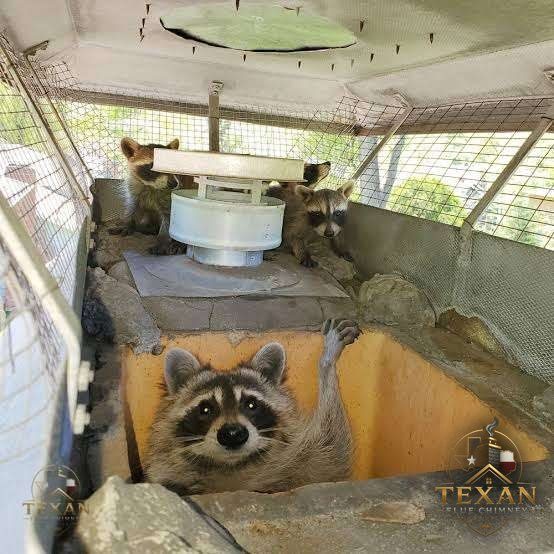
Rarely at the top. Animals fall down a flue and land in one of three places: on the smoke shelf behind the damper, wedged in the flue partway down where a liner narrows, or inside the damper assembly itself. Which one determines how the removal is done, and it is the reason nobody can quote this over the phone honestly.
What removal actually involves
We camera-scan the flue to find the animal and confirm whether there are more — a mother and a litter is a common and unhappy discovery. The hearth is sealed and contained before anything is opened, because this is not a job you want distributed through your living room. The animal is removed and bagged, then the affected surfaces are cleaned, sanitised and deodorised. Removing the carcass without treating the flue leaves the smell, which is why the cheap version of this job fails.
Why the cost varies, and what moves it
We are asked this constantly and the honest answer is that it depends on three things: where the animal is lodged, how long it has been there, and whether the flue needs sanitising and deodorising beyond a clean. A fresh carcass on an accessible smoke shelf and a decomposed one wedged mid-flue are genuinely different jobs. We tell you which you have after the camera scan, in writing, before we begin. The estimate costs nothing.
Then cap it
Almost every one of these calls is to a chimney with no cap or a failed one. Removal without capping the flue means we will be back next spring. A properly sized cap with mesh is the difference between a one-time problem and an annual one.
If what you are hearing is scratching rather than smelling odor, the animal is alive and this belongs on our humane animal removal page instead.
 Texan Flue Chimney
What tells you it is a carcass, not a nest.
A sweet, heavy, rotting smell
Unmistakable and quite different from the campfire smell of creosote. It gets stronger in heat.
Flies appearing indoors
Blowflies near the fireplace within a day or two are a reliable confirmation.
The smell is worst at the firebox
Odor strongest at the hearth and fading across the room means the source is in the chimney.
Scratching that stopped
If you heard movement for days and then silence followed by odor, the animal did not leave.
No cap on the chimney
An open flue is how they get in. Almost every one of these calls involves a missing or failed cap.
Worse with the AC running
Negative house pressure pulls flue air down into the room, carrying the smell with it.
Found, removed, sanitised, sealed.
Locate on Camera
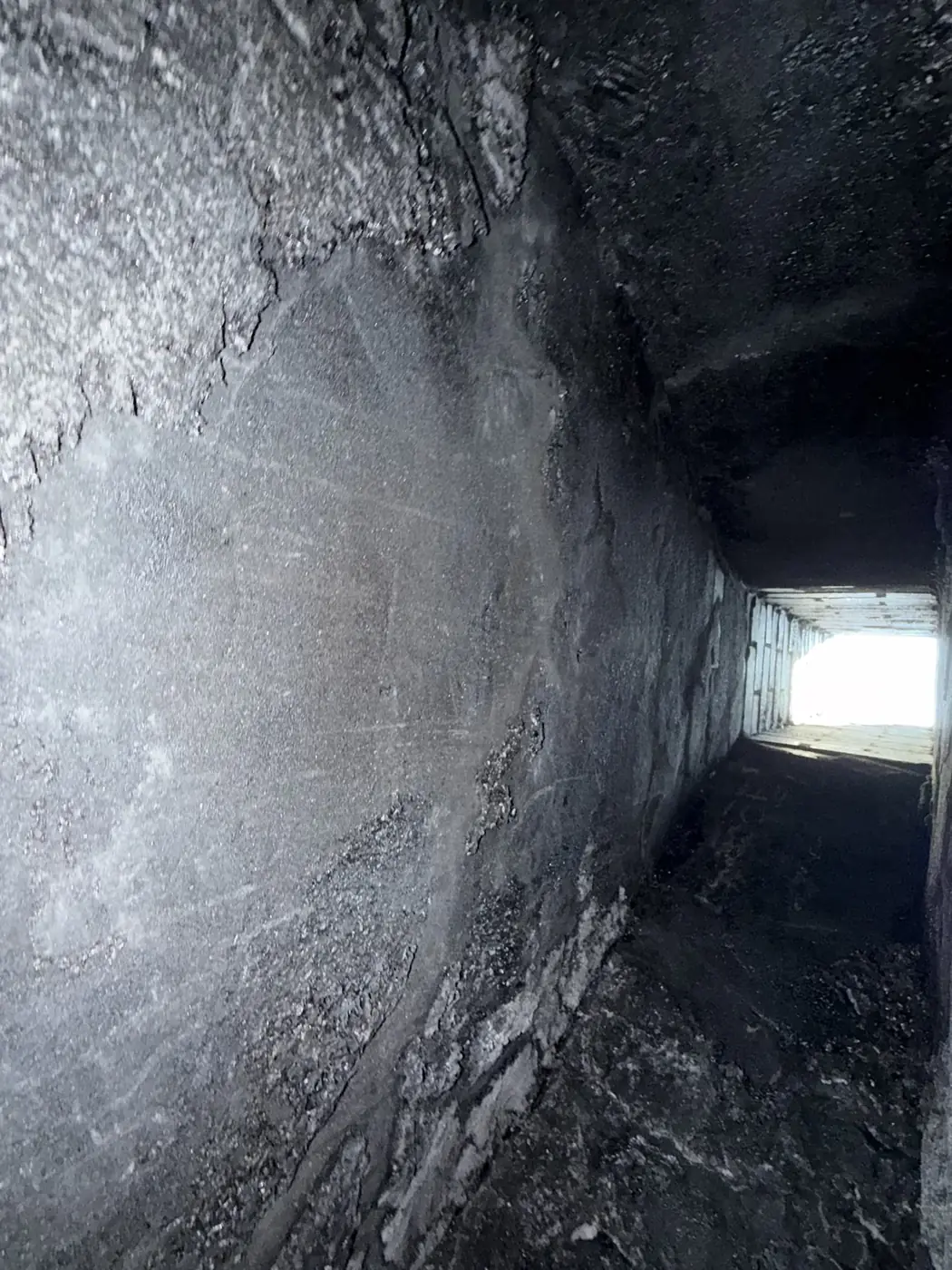
A flue scan finds the animal, confirms how many there are and shows us exactly what the removal involves.
Seal and Contain
The hearth is sealed and HEPA containment is running before anything is opened. This does not get into your room.
Remove and Bag
The animal is removed and bagged, along with any nesting material and debris that came down with it.
Sanitise and Cap
Affected surfaces are cleaned, sanitised and deodorised, and we quote a cap so the flue stops being an open door.
Dead animal removal, answered.
How much does it cost to remove a dead animal from a chimney in DFW?
It depends on where the animal is lodged, how long it has been there and whether the flue needs sanitising and deodorising beyond a standard clean. A fresh carcass on an accessible smoke shelf and a decomposed one wedged mid-flue are different jobs. We camera-scan first and put the exact figure in a free written estimate before starting.
How quickly can you come out?
We treat these as urgent because they get worse by the hour in Texas heat. Call (469) 771-7000 and we will find you the earliest slot we have.
Can I just wait for the smell to go away?
In practice, no. Decomposition in an enclosed masonry shaft takes weeks and the odor saturates the flue and firebox brick, so it lingers well beyond that. It also draws flies and, occasionally, other animals.
Will removing it get rid of the smell completely?
Only if the flue is treated as well as emptied. Removing the carcass and leaving the surfaces untreated leaves the odor behind, which is the most common reason people call us second.
How did it get in?
Almost always an uncapped or failed flue. Birds, squirrels and raccoons enter looking for a nest site, and a smooth metal liner gives them nothing to climb back out on. Capping the flue is what stops it repeating.
What this call usually includes.
Clean the part your last sweep skipped.
Book a free estimate — we'll photograph your smoke chamber and give you an exact, upfront price.
(469) 771-7000One call keeps the fire where it belongs.