
Chimney Sweep & Cleaning
Dust-free rotary sweeping to CSIA and NFPA 211 standards — full-flue brushing, HEPA containment and a safety inspection with photos, all in one visit.
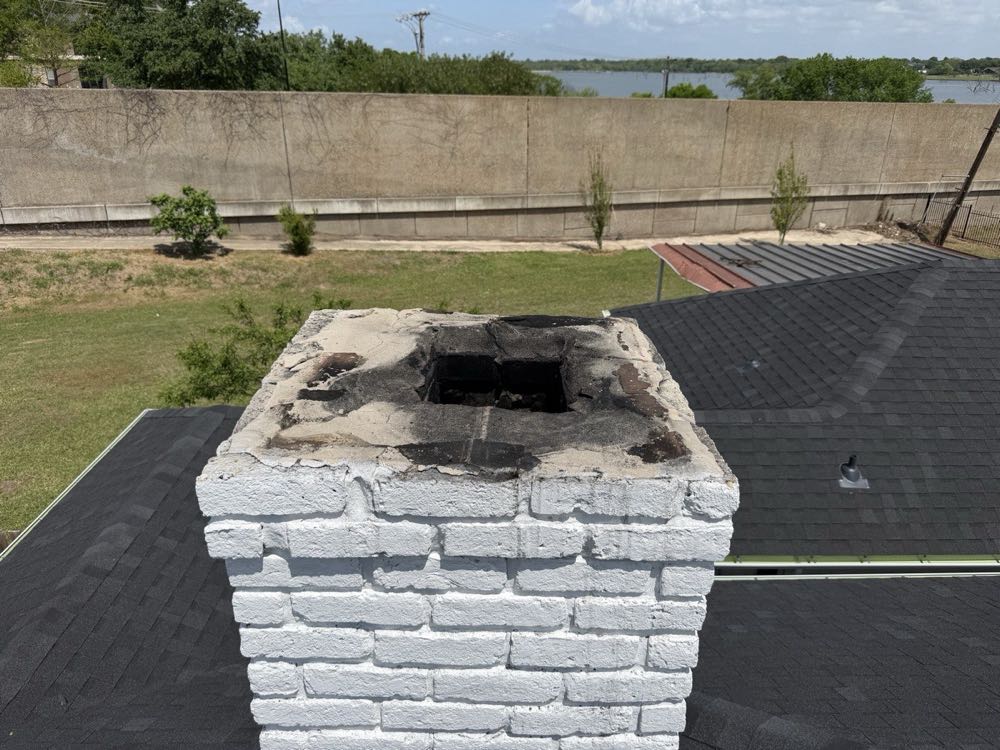
What is a professional chimney sweep?
Every wood fire leaves something behind. As smoke rises through a cooler flue, it condenses into creosote — a black, tar-like residue that clings to the liner from the smoke chamber to the top of the chimney. Creosote is fuel. It ignites at roughly 2,000°F, and a thick enough layer turns your flue into the one place in the house where a fire is never supposed to burn.
A professional sweep removes that layer before it becomes a hazard. It is not a quick brush-and-go: done right, it cleans the entire smoke path — flue, smoke chamber, smoke shelf, damper and firebox — and finishes with a trained set of eyes on everything the fire touches.
What a Texan Flue sweep includes
We seal the fireplace opening and run a HEPA-filtered vacuum the whole time, so soot ends up in the machine instead of on your furniture. A rotary whip system scrubs the full length of the flue, flexing into corners and tile joints that a rigid brush skips. Then we hand-clean the firebox, damper and smoke shelf — the ledge behind the damper where debris and creosote quietly pile up. Every sweep ends with a visual safety inspection and photos of what we found, and if anything looks off we can run a video camera scan on the spot.
How often — the NFPA 211 rule
The National Fire Protection Association's Standard 211 says chimneys should be inspected every year and swept whenever buildup warrants it. The industry benchmark is simple: 1/8 inch of creosote anywhere in the flue means it's time to clean. In North Texas, where a hot summer follows every burn season, that annual visit matters even when you barely used the fireplace — humidity works on leftover creosote all summer, corroding liners and pushing that campfire smell back into the house. If your buildup has hardened into a shiny glaze, brushing alone won't remove it and you'll want deep creosote removal instead.
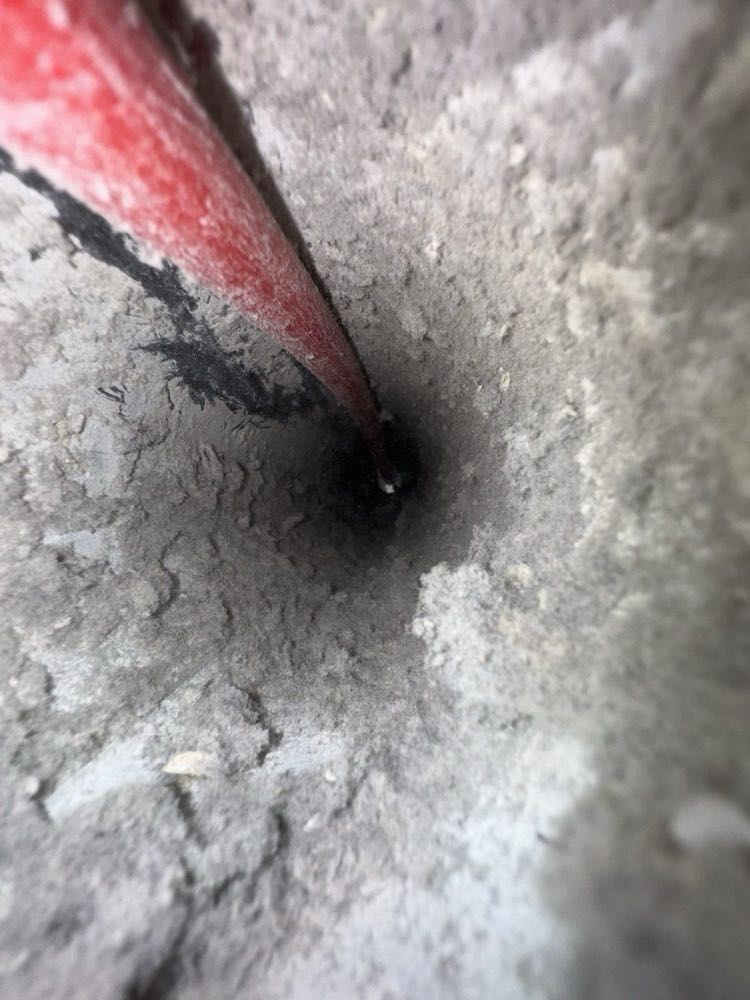
Signs your chimney is overdue for a sweep.
Campfire smell indoors
A smoky odor on humid days — even with no fire burning — means creosote is coating the flue.
Black flakes in the firebox
Papery soot flakes dropping onto the grate are pieces of buildup shedding off the liner above.
Smoke backing into the room
A narrowed, dirty flue can't pull a proper draft, so smoke takes the easy way out — into your home.
Visible 1/8" buildup
Shine a flashlight past the damper: a matte black coating you could scratch with a key means it's time.
Fires that won't stay lit
Struggling, smoldering fires often trace back to restricted airflow through a fouled chimney.
Over a year since the last sweep
NFPA 211 calls for an annual inspection — if you can't remember your last one, you're due.
Clean flue, clean house — no shortcuts.
Protect & Contain
Drop cloths from the door to the hearth, the fireplace sealed, and a HEPA vacuum running before a single brush moves.
Rotary Sweep
A flexible rotary whip scrubs the full flue from firebox to crown, reaching tile joints a rigid brush misses.
Firebox & Smoke Shelf
We hand-clean the firebox, damper and hidden smoke shelf where fallen creosote and debris collect.
Safety Check & Photos
A visual inspection of the whole system, with photos of the finished flue and anything that needs attention.
Chimney sweeping, answered.
How much does a chimney sweep cost in DFW?
Most standard chimney sweeps in Dallas–Fort Worth run $99–$199, and that price includes a safety inspection of the flue, firebox and damper. Heavier buildup or stage-3 glazed creosote may require deep removal, which we price upfront before touching a brush.
How often should my chimney be swept?
NFPA 211 calls for chimneys to be inspected every year and cleaned as needed. As a practical rule, once creosote reaches 1/8 inch thick anywhere in the flue, it needs to come out. For most DFW families who burn regularly through winter, that means a sweep every season.
Will sweeping make a mess in my house?
No. We seal the fireplace opening, run a HEPA-filtered vacuum for the entire cleaning, and lay drop cloths from the door to the hearth. The soot goes into the vacuum, not your living room — and we leave the hearth cleaner than we found it.
How long does a chimney sweep take?
A typical sweep takes 45 minutes to an hour and a half, including setup, the full rotary cleaning, the firebox and smoke shelf, and the safety inspection with photos. Heavier buildup can take longer, and we tell you before we start.
Is an inspection included with the sweep?
Yes. Every Texan Flue sweep includes a visual safety inspection of the flue, crown, cap, firebox and damper, with photos of anything we find. If something warrants a closer look, we can add a Level 2 video camera scan on the same visit.
Often paired with a sweep.
Burn season is coming. Be ready for it.
Book a $49 inspection and get an exact, upfront price — most sweeps done the same week.
(469) 980-1178One call keeps the fire where it belongs.