
Gas Fireplace Service & Repair
A gas fireplace should light on the first click and burn a crisp, steady flame. We tune burners and pilots, test every safety sensor, leak-check the gas line and verify the venting — so the fire you relax next to is as safe as it looks.
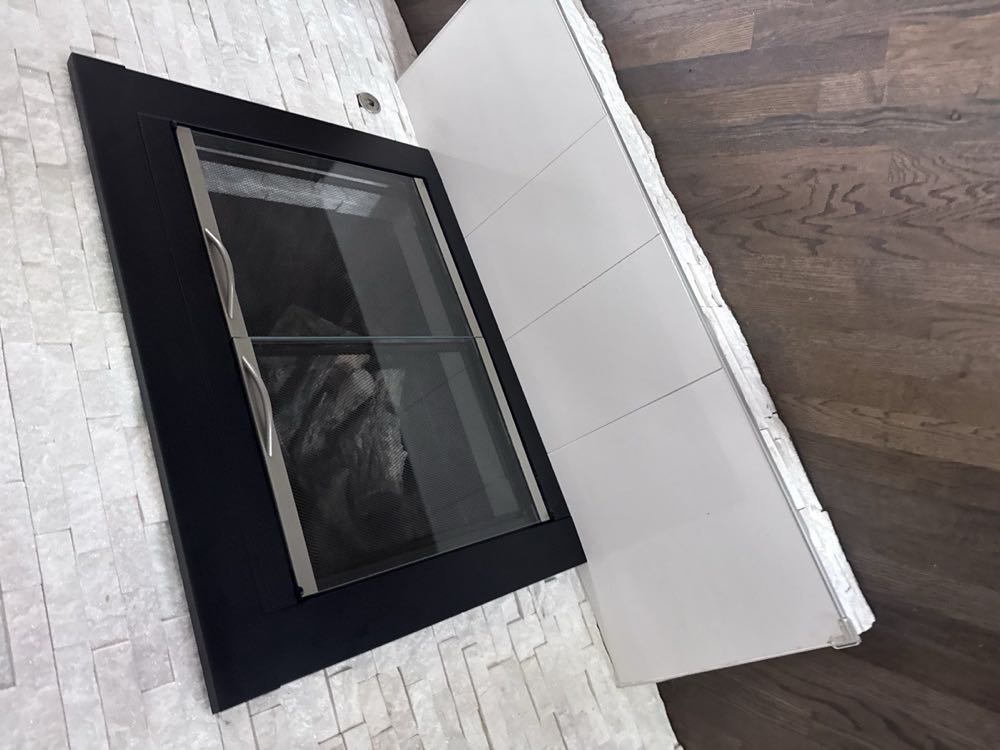
What does gas fireplace service include?
A gas fireplace is a gas appliance, the same as your furnace or water heater — and it deserves the same annual attention. Our full tune-up covers the whole system: we disassemble and clean the burner and pilot assembly, clear dust and cobwebs from the orifices, test the thermocouple and thermopile under load, verify the gas valve and ignition system, clean the glass with fireplace-rated polish, refresh the ember bed, reset the logs to the manufacturer's exact layout, and leak-check every gas connection with a manometer and detector before we relight it.
Then we check the part most homeowners never see: the venting. A blocked or corroded vent turns a clean-burning fireplace into a carbon monoxide source, so we confirm the flue is drawing and the termination is clear before we call the job done.
Won't light? Keeps going out?
The pattern usually tells the story. A pilot that won't stay lit points to a weak thermocouple. A fireplace that lights, runs a few minutes and shuts down suggests a tired thermopile or a valve failing under load. No response from the remote or wall switch is often a receiver, battery or wiring fault. We carry the common parts on the truck, quote the repair upfront, and fix most won't-light calls in a single visit.
The carbon monoxide question
Gas fires are only as safe as their combustion is complete. Dusty burners, misplaced logs and starved air supply all make the flame burn "dirty" — and a dirty gas flame produces carbon monoxide you can't see or smell. That's why our checklist is built around combustion quality: crisp flame pattern, correct log placement, clear venting, and a CO reading to confirm it, with photos of the finished work for your records.
Why placement of the logs matters
Every log set is engineered so flames rise through gaps between the logs. Nudge one log an inch — a common side effect of cleaning around the fireplace — and flame starts hitting ceramic directly. That's called impingement, and it's the number-one cause of sooty glass and CO complaints we see. On every visit we reset the logs and embers to spec. If your set is aging out, we also handle new gas log installation, vented and ventless.
Signs your gas fireplace needs service.
Pilot won't stay lit
A pilot that dies when you release the knob almost always means a weak thermocouple — a fast, inexpensive fix.
Shuts off mid-burn
A fireplace that runs briefly and quits points to a failing thermopile, a hungry valve or an overheating sensor.
Soot on the glass or logs
Black deposits mean the flame is hitting something it shouldn't — incomplete combustion that also produces carbon monoxide.
Lazy yellow flames
Healthy gas flames are steady with yellow tips. Weak, waving, orange-heavy flames signal dirty burners or an air-mixture problem.
Delayed or noisy ignition
A whump or click-click-click before the flame catches means gas is pooling before it lights — have it checked promptly.
Any gas odor
A faint sulfur smell near the fireplace is never normal. Shut the unit off and have the connections leak-checked before the next use.
Cleaned, tested, verified — burning right.
Full Evaluation
We run the fireplace, read the flame, and inspect the burner, pilot, valve, glass and venting from firebox to termination.
Deep Clean & Tune
Burner and pilot assembly cleaned, glass polished, ember bed refreshed, and logs reset to the manufacturer's layout.
Safety Testing
Thermocouple and thermopile tested under load, every connection leak-checked, and combustion verified with a CO reading.
Upfront Repairs
Any failing part gets an exact quote before we replace it — then photos of the finished, fully-tested system.
Gas fireplaces, answered.
How much does gas fireplace service cost in DFW?
A full annual tune-up typically runs $150–$300 in Dallas–Fort Worth, depending on the unit and its condition. If we find a failed part — a thermocouple, thermopile, valve or ignition module — you get an exact repair price quoted upfront before any additional work begins.
Why won't my gas fireplace light — or why does it keep going out?
The most common causes are a dirty pilot assembly, a weak thermocouple or thermopile, a spent remote-receiver battery, or a valve that's failing under load. These are quick diagnoses for a trained tech — most won't-light calls are fixed in a single visit.
Does a gas fireplace really need annual service?
Yes. Gas burns cleaner than wood, but burners collect dust and spider webs, pilots drift out of spec, gaskets dry out and vents can clog — all of which affect how completely the gas burns. Incomplete combustion produces carbon monoxide, which is exactly what an annual tune-up is designed to prevent.
Why does the glass on my fireplace look white or foggy?
That white haze is mineral deposit from moisture in the combustion process, and it etches into the glass if it's not cleaned regularly. We clean it with a fireplace-glass polish as part of every tune-up. Heavy soot on the glass is different — that signals a flame or venting problem worth diagnosing.
Does it matter how the logs are arranged?
More than most people think. Gas logs are engineered to sit in one exact position; a log nudged out of place can cause flame impingement, which produces soot and carbon monoxide. We reset logs and embers to the manufacturer's layout on every service visit.
Often paired with a gas tune-up.
Light it with confidence this season.
Book a $49 inspection and get your gas fireplace cleaned, tested and safety-verified — with an exact, upfront price.
(469) 980-1178One call keeps the fire where it belongs.