
Firebox & Refractory Panel Repair
The firebox is the only wall between a 1,200°F fire and the lumber framing your home. We replace cracked refractory panels in prefab fireplaces and repoint masonry fireboxes with true high-temperature mortar — photographed, priced upfront, done to code.
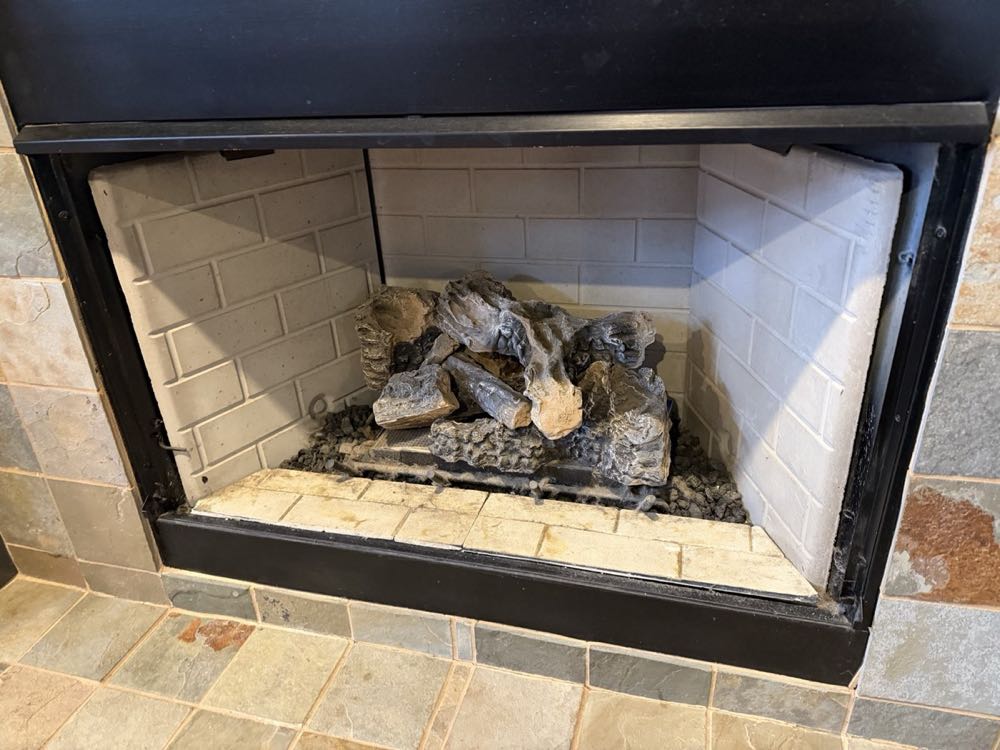
What is a firebox — and what are refractory panels?
The firebox is the chamber where the fire actually burns, and it's built from materials engineered to take direct flame. In a masonry fireplace, that means firebrick laid in refractory mortar. In a prefab (factory-built) fireplace — what most DFW homes built since the 1980s have — it means molded refractory panels lining the back and sides of a metal box. Either way, the job is the same: absorb 1,200°F of heat, burn after burn, and keep every bit of it away from the wood framing that sits just behind the unit.
That's why a cracked firebox is the one fireplace problem that shouldn't wait for next season. An open crack is a direct path for heat and combustion gases to reach the metal shell, the masonry backup, and eventually the framing — where repeated heating slowly lowers the temperature at which wood can ignite. House fires from cracked fireboxes don't start with a bang; they start with years of quiet overheating.
The nickel test for prefab panels
Refractory panels crack from thermal cycling, from logs dropped against them, and simply from age. The industry rule of thumb is the nickel test: if a nickel fits edge-on into the crack — about 1/16 of an inch — or if you can see the metal liner or a gap behind the panel, the panel must be replaced. Fine surface crazing, the spiderweb pattern most panels develop, is cosmetic. We photograph your panels up close and show you exactly which category yours fall in — and when replacement is the call, we use manufacturer-approved panels so the unit keeps its listing.
Refractory mortar repairs in masonry fireboxes
Masonry fireboxes fail joint-first: the refractory mortar between firebricks erodes with every burn until gaps open behind the fire. We rake failing joints and repoint them with true high-temperature refractory mortar — not the hardware-store gray mud that crumbles at fireplace temperatures — and replace cracked or spalled firebrick where needed. Widespread damage calls for a firebox rebuild, and if the deterioration continues up into the flue, we'll show you the camera footage and talk through flue repair and relining honestly.
Documented and done to code
Every firebox job follows the same standard: NFPA 211 and the manufacturer's listing, before-and-after photos you keep, and one all-in price approved before we mix mortar or order a panel.
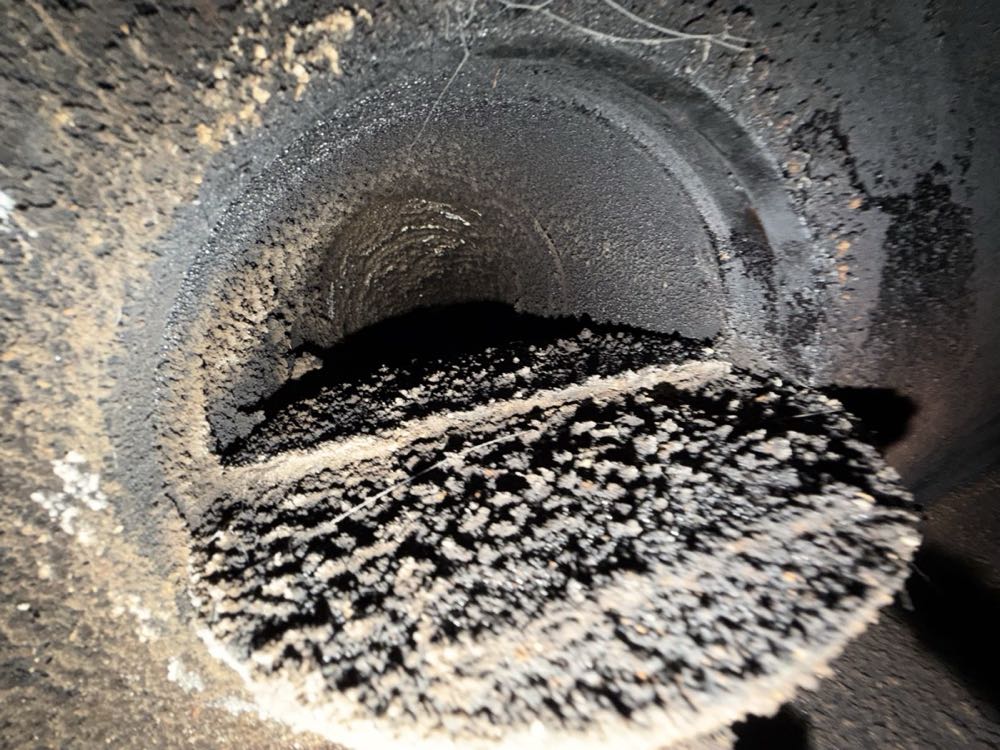
Signs your firebox needs repair.
A crack that passes the nickel test
If a nickel fits edge-on into a panel crack, the barrier is breached — that panel is due for replacement.
Metal or gaps visible behind a panel
Seeing the shell of a prefab unit through a crack means heat is already reaching parts never designed to face flame.
Crumbling mortar joints
Sandy debris on the firebox floor and joints you can rake with a fingertip mean the refractory mortar is spent.
Bulging or loose panels
A panel that has shifted, bowed or rattles when tapped is failing at its mounting — not just at the surface.
Cracked or spalled firebrick
Split, flaking or face-popped brick inside a masonry firebox is a heat path forming toward the structure behind it.
Rust inside a prefab firebox
Corrosion on the metal box means water is getting in from above — and a rusted shell weakens the whole fire barrier.
Assessed, repaired, restored — fire-ready.
Close Inspection
Every panel, brick and joint examined and photographed — including the nickel test on any crack we find.
Straight Diagnosis
Cosmetic crazing, repairable joints or a panel past its limit — you see the photos and get the honest call.
Upfront Price
Panels, refractory materials and labor in one all-in number, approved before anything is ordered.
Repair to Code
Manufacturer-approved panels set, joints repointed with true refractory mortar, and after photos delivered.
Firebox repair, answered.
How much does firebox repair cost in DFW?
Most firebox work runs $300–$1,500 in Dallas–Fort Worth. Refractory mortar repairs in a masonry firebox sit at the lower end; replacing one or more refractory panels in a prefab fireplace lands mid-range; and rebuilding a badly damaged masonry firebox runs toward the top. You approve one exact, all-in price before we start.
How do I know if a cracked panel actually needs replacing?
The industry test is simple: if a nickel fits edge-on into the crack, or if you can see the metal shell or any gap behind the panel, it's done. Hairline surface crazing is normal and cosmetic; open cracks and crumbling faces are not. We photograph the panel and show you which one you have.
Is it safe to keep using a fireplace with a cracked firebox?
No — that's the one repair not to postpone. The firebox is the only barrier between the fire and the combustible structure of your home, and an open crack lets heat and combustion gases work on whatever is behind it with every burn. Keep it out of service until it's repaired.
Can you repair a panel instead of replacing it?
Sometimes. Minor cracks in an otherwise sound panel can be filled with listed refractory caulk rated for the temperature. But once a crack passes the nickel test or the panel face is crumbling, replacement with a manufacturer-approved panel is the only repair that actually restores the safety barrier.
What's the difference between a masonry firebox and a prefab firebox?
A masonry firebox is built on site from firebrick and refractory mortar inside a brick chimney — repairs mean repointing joints or replacing brick. A prefab (factory-built) fireplace is a metal box lined with molded refractory panels — repairs mean replacing the panels with the manufacturer's approved parts. We service both and will tell you which you have at a glance.
Often paired with firebox repair.
Don't burn behind a cracked wall.
Book a $49 inspection and see your firebox up close in photos — with an exact, upfront price for whatever it needs.
(469) 980-1178One call keeps the fire where it belongs.